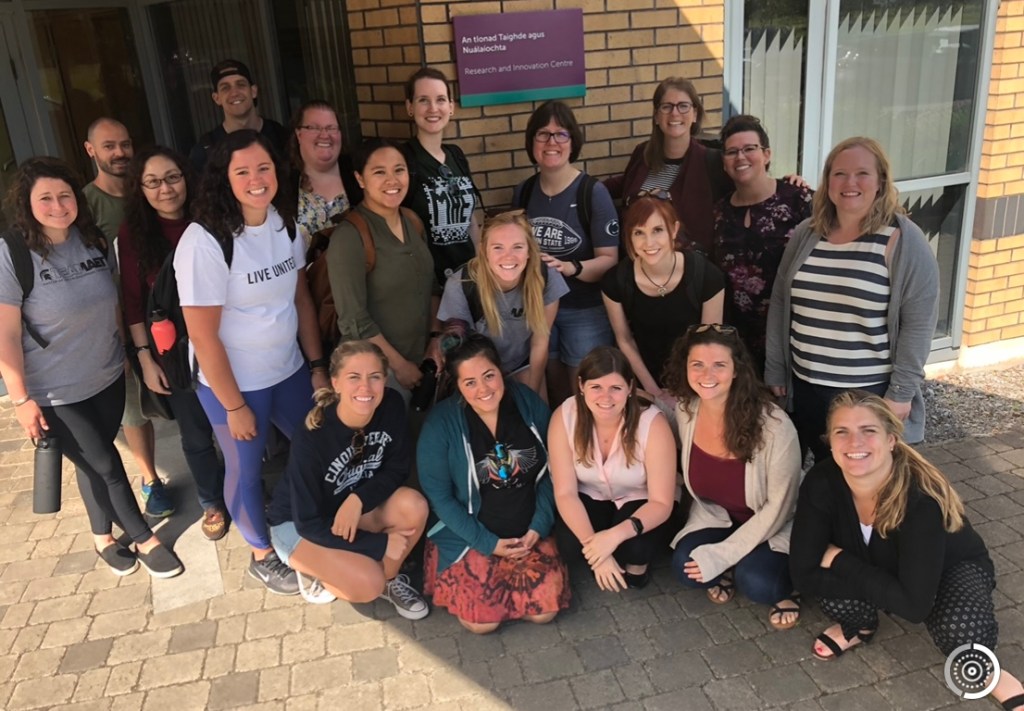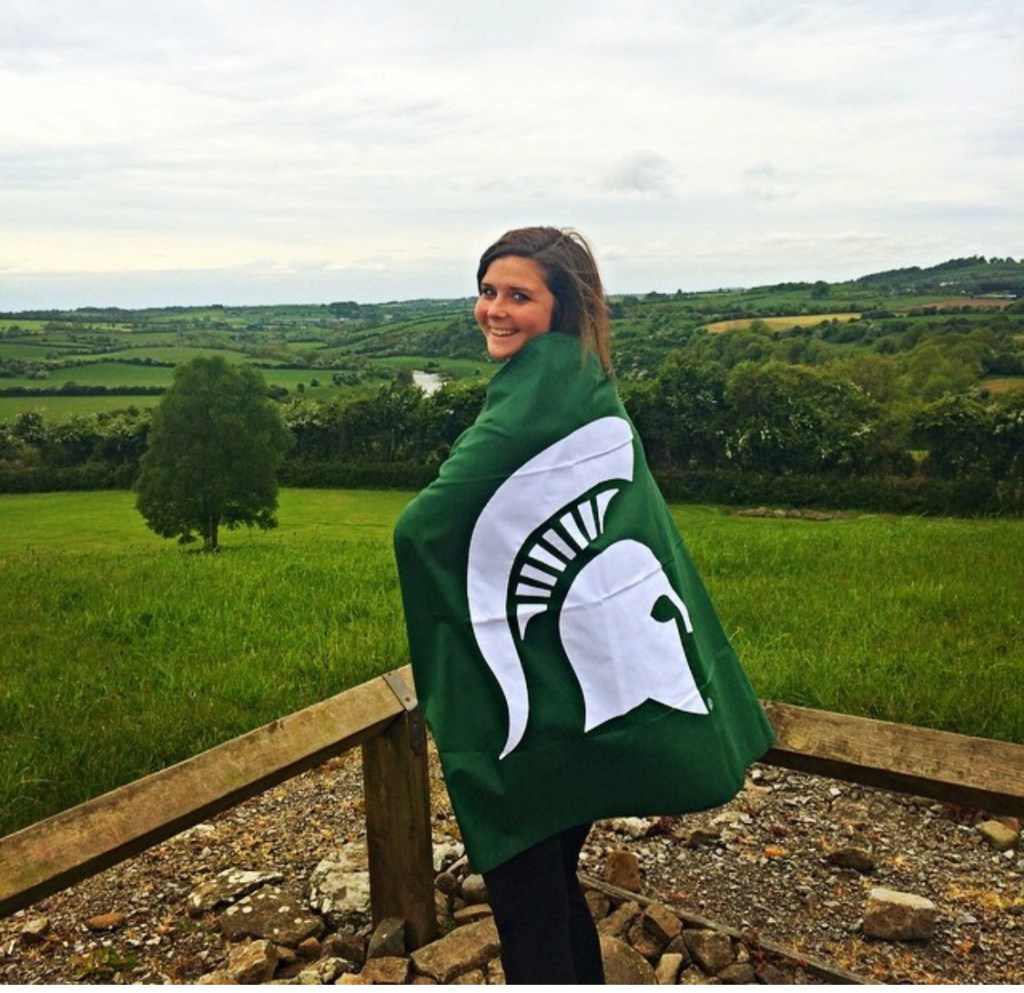
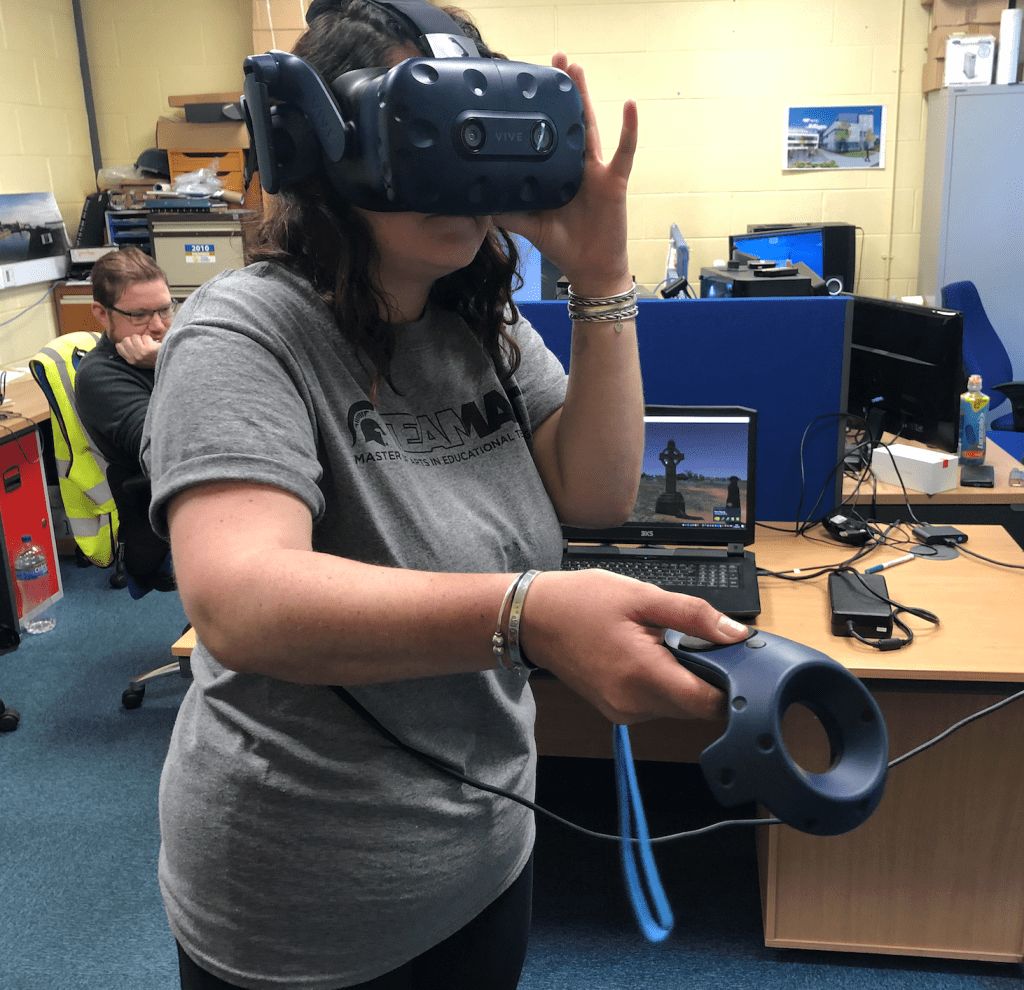
When thinking back on all of the classes I have taken in my masters program, three specifically stick out of being the most impactful: CEP 810: Teaching for Understanding with Technology, CEP 811: Adapting Innovative Technology to Education and CEP 812: Applying Educational Technology to Problems of Practice. Now I must confess, I did not originally take these classes for the content they covered, but instead for their location. These three classes were offered in a 4 week structure in Galway Ireland. I thought I could work towards my degree while also enjoying the wonderful country of Ireland. What I did not foresee is the lasting impact those three classes had on my education as a student and would push me to become a better teacher.
The structure of the program was divided into three cohorts depending on how far into your degree you were. Since this was my first year, I was put in the year one cohort along with 4 other students and our two instructors. It didn’t take long for reality to sink in that this was not going to be a vacation with a couple of classes thrown in. This naive perspective was soon corrected with a dose of reality of what this experience truly was. We were pushed daily to go beyond what we thought we were capable of. There was always an overarching project looming our heads that we need to be chipping away at, readings to be annotated and daily quickfire challenges which showed a new light on a routine activity. However, we were in Ireland after all and didn’t want this magnificent place to go unseen by staying indoors poured over our books and computer screen. This taught me a huge lesson in time management, which admittedly has never been one of my strong suits. If I wanted to make the most of my time here, I needed to prioritize and focus so that I could also experience the people, culture and environment that Galway had to offer.
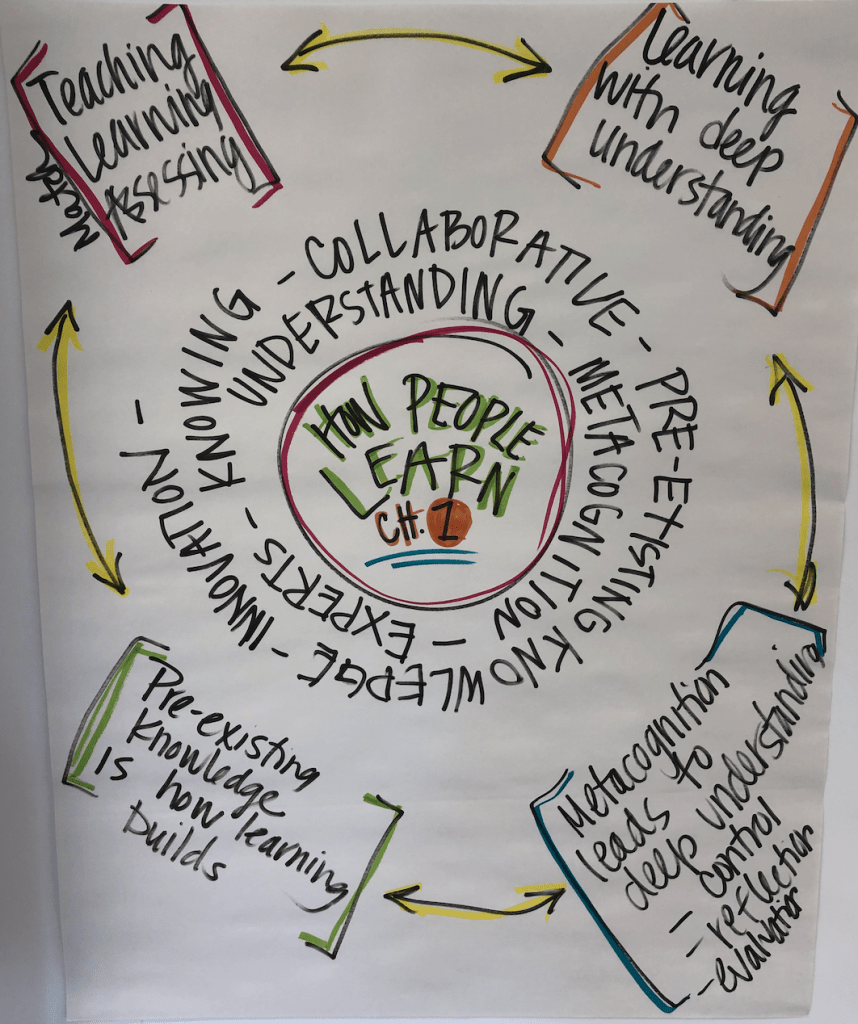
Within the classroom our thinking was challenged and approached routine activities from a different point of view or perspective. Our reading, for example, was not just reading these pages and then we will discuss them. Instead we dissected them as a group in a variety of discussion techniques, most of which I had never seen nor participated in. This was just the tip of the iceberg because each day our minds were challenged in a new and bizarre way. Over the course of these four weeks researched, created, and presented poster presentations on something we found interesting in the realm of education. We were given wicked problems to attempt to solve in education, which both infuriated and inspired me because there really was no solution to the problem. What I most looked forward to were our daily quick fires which is how we started our days, I think with the intention of getting our brains to think differently. The activities ranged from a haiku slide deck to introduce ourselves to our new classmates, to figuring out how to use a butter knife to make whip cream. Whether it was our big projects or daily quick fires I remember always having the feeling of overwhelm and thinking “Yupp I think the professors have really lost it on this one.” But I also had a feeling of wanting to overcome the challenge and this is what drove me to preserve and take pride in my work. While I admit closed circuits had me close to defeat and Canva and I may never see eye to eye, I learned an immeasurable amount each day.
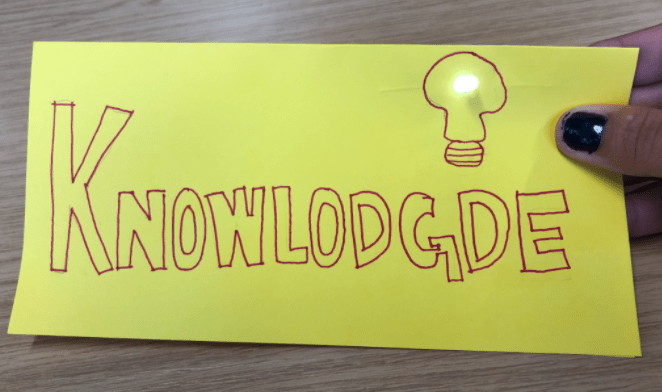
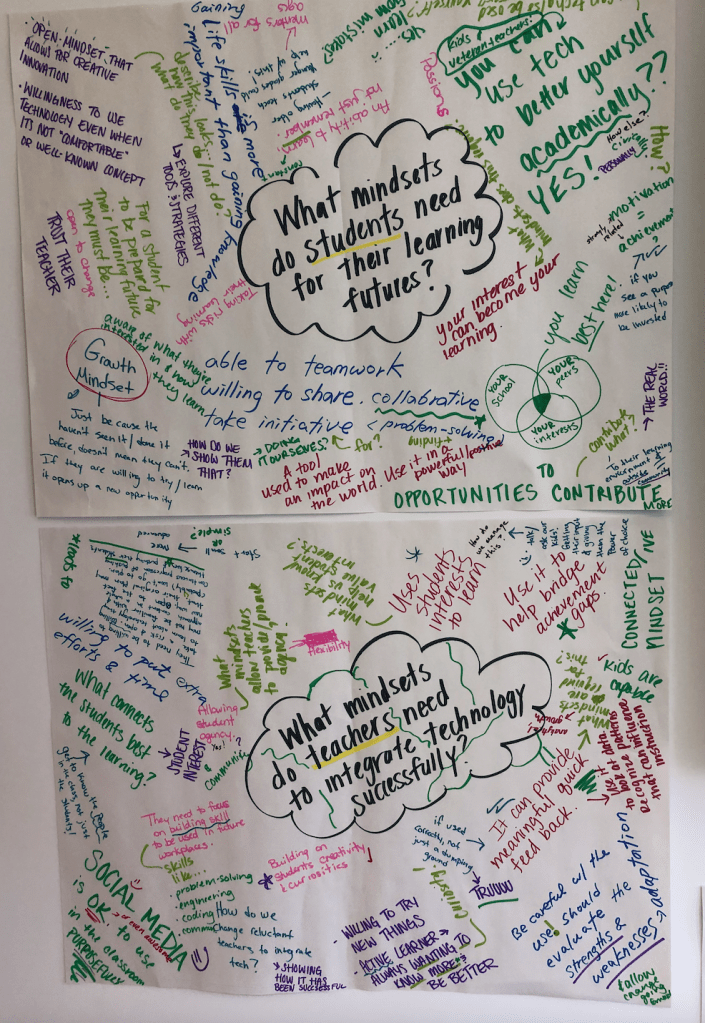
Speaking open and honestly there is one word that I think is wildly loosely and overused in education: collaborate. It’s a buzz word that is thrown around and we as educators are told to do, but either doesn’t happen or not done very effectively. It had gotten to the point that the only time I would think of collaborate in a positive way was when Vanilla Ice was saying it. That was until I experienced the way it was structured in this program. We collaborated in our classroom daily to push each other and form new ideas, not only students but with our professors as well. I went into the program with 2 friends from my undergraduate time at Michigan State and who I actually lived with for two years. Yet, this was the first time I got to see them in an academic setting and see them in a professional light. No longer were they these goofy women who were often seen lounging on the couch in sweatpants, but these amazing teaching professionals who were brainstorming on who to challenge the structure of education and how to enrich the lives of students in years to come. While we were a small group of 7, 5 students and 2 professors, this environment allowed each of our strengths to be showcased at one point or another. Whether it was the amazing Canva creations or lightning speed mastery of circuitry, we were all able to teach and learn from each other. The collaboration went beyond our cohort and we were able to collaborate and learn as a whole program as well. On Wednesdays we had PD style sessions where second years ran PD. The topics ranged from educational copyright to AI technology. We were also able to present science fair style on our projects from class. This learning allowed us to become the experts on what we worked so hard on, but also look at and learn from others and what they were learning in their classes. Lastly, time was taken out each week to meet and talk with a professor in the program but not of our class. This mentorship and meeting time was valuable to get insight from someone else’s point of view. It helped me work through my classroom struggles when talking it through and clarifying what I really wanted to accomplish and what needed to happen in order to get me there. So now when I think of collaborate I not only think of Vanilla Ice, but I think back to Galway and how much I was able to learn from the fabulous people around me.
While the whole MAET team are a talented bunch, I was able to work with Allison Keller and Chris Sloan most directly. They are two of the most influential teachers I have had in my educational career, both as a student and as an educator. Their approach to teaching was to guide, inspire and question our thinking, but never give us the answers to the questions we asked. While that last one caused more frustration than anything else, it else gave us an empowered feeling during the process and the feeling of achievement when it was over. They also viewed our work through a critical lens knowing that our first draft was not always what we were capable of. While I still think there is no such thing as too many fonts and pictures can be tilted, their lessons of self editing and creative guidance will never be forgotten. Not only were they inspirations inside the classroom, but they took time and interest to get to know us as people not just their students. This created an environment where the classroom is a safe place and made us more willing to take those risks. Throughout my schooling I was always a middle pack kid, never the highest grade or most outspoken. I was always there and I did well enough but very few of my teachers took an interest in me beyond a grade in their gradebook. When I got to Galway I finally had two teachers who I felt like were invested and cared about me both as a student and as a person. It increased my motivation and pushed me to challenge myself with my own learning. They are two of the biggest examples of teachers making a lasting impact on their students and the kind of teacher I want to be. I want to inspire my students the way they inspired me.
I look back on these classes with so much love and a wanting to go back in time. This is where my love for education deepend. To be completely honest when asked about the classes that changed me or impacted me most, there was really no contest at all. Oftentimes I feel there is a disconnect between the way we are told to teach and the way we are taught to teach. I remember so many classes I’ve taken being a “sit and get” style and yet as teacher’s we are constantly asked how we will make sure our students thinking is being challenged and kept engaged. This was one of the only experiences as an adult where I was creatively challenged with the content I was learning. Admittedly I was often a student who would study hard for tests to get the grade, but not often care about what I was learning about. This program pushed me and made me want to push myself to do better and to learn more. It’s shown that engagement shouldn’t be techy just to show off technology. Making sure implementing technology has a clear purpose and it should be used to enhance learning, not just making it flashy. It taught me much more than what was in the course description, it gave me joy to be a student again and gave me a whole new insight of what the role of educational technology in the classroom.