I’m a goofy person who loves making puns, singing in public and talk at a volume that is too loud for most people. The other of side of me is realistic, passionate and analytical of the world around me. Both sides make up who I am, but I rarely let them overlap. In fact one of my best friends admitted she had never seen me in that light before, not because she believed I was uneducated but because that’s not the light girl she knows.
I always felt like I needed to keep these two sides separated from one another. One side of me was for social events, the other was for academic purposes. What if these two worlds were able to meet? What if when I was in school my puns and singing could be incorporated into my learning?Our world is more structured to keep us moving and advancing that we are forgetting to ask the question of why? Why are we pressuring students to force in a way that doesn’t work for them. Why are we sticking to traditional methods of telling them information instead of letting them discover on their own? (Berger, 2014 pg. 76).
“You wouldn’t go to a hospital that looked the same 50 years ago. So why do we allow this in schools?”
-Author Unknown
We have some schools that are making changes to their style of education by allowing their students to be creators and innovators (Resnick and Robinson, 2018). They are allowing students explore, try and fail on their own yet still having their teachers support their exploration. It makes their learning more purposeful and memorable for them to reflect on later. Art, music and STEAM aren’t classes that should students should be experiencing once a week. Allowing student’s to experience these creative outlets along side their learning not separated allows them to explore their curiosity and creativity. Warren Berger talks about cultivating students curiosity and turning it into inquiry. If students are naturally curious, we should be embracing it rather than squandering it. Learning is not just about remembering the information, but using it to challenge what has always been with what could be.
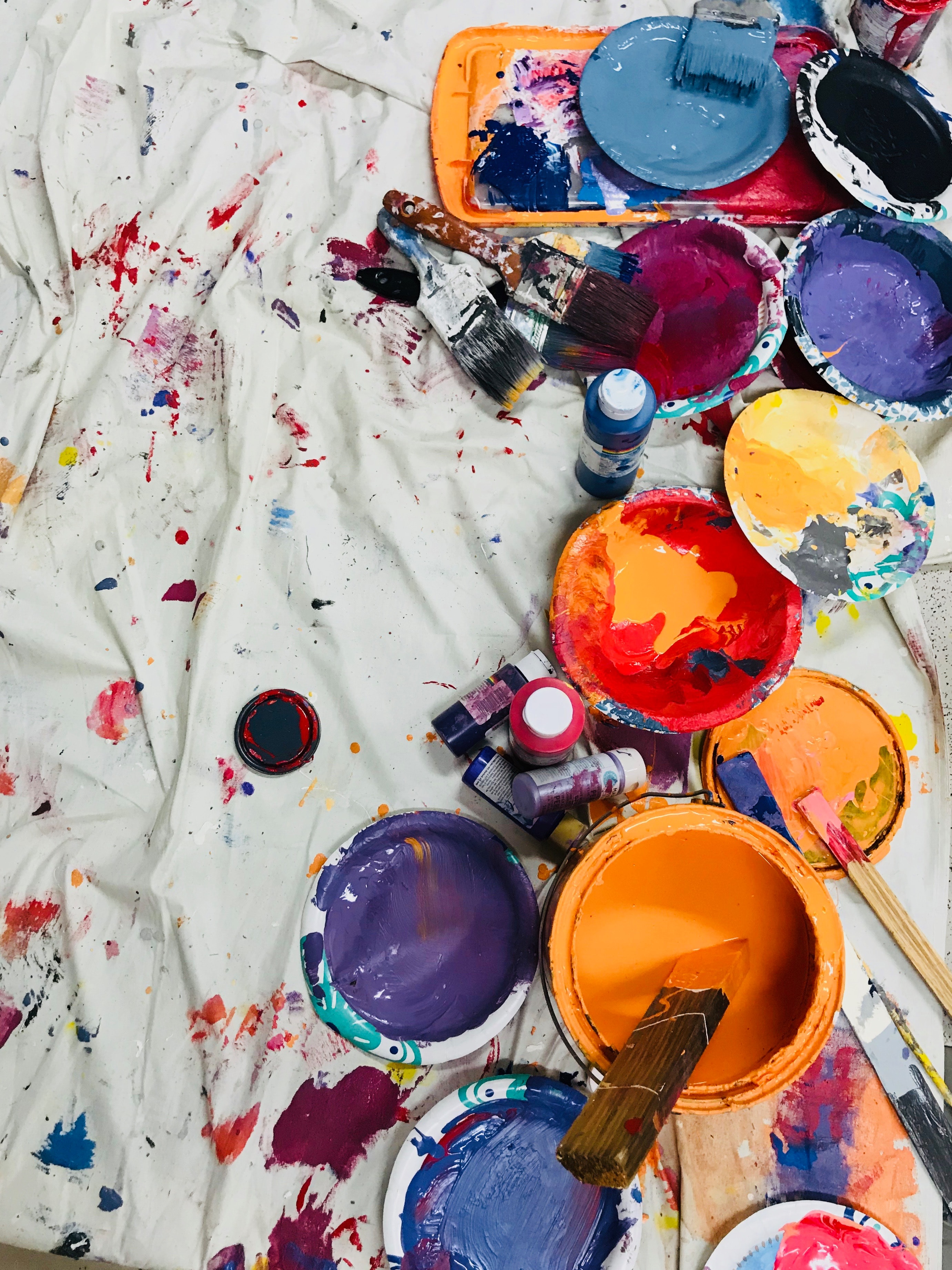
It makes me wonder how this style of learning may help students outside of the world of their academics. If students didn’t view problems of only having one right answer, that may change their mindset in how they view themselves. There wouldn’t be this need to look a certain way or act a certain way because perfection and answers come in all forms. I relate this back to my own education. When I was younger I showed my loud and goofy side in the classroom and was scolded because of it. I felt like I had to make myself small in order to be considered a good student. It felt like a miss of me was lost in order to be successful and it wasn’t until college when I started gaining that piece back.
I never want to make my students feel that they shouldn’t be their true self. Embracing the failures and the process is not only how students learn, but how they are able to find out who they are.
References:
Berger, W. (2014). A More Beautiful Question. Bloomsbury Publishing.
Resnick, M., & Robinson, K. (2018). Lifelong kindergarten cultivating creativity through projects, passion, peers, and play. Cambridge, MA: The MIT Press.


