I remember being shocked when I was younger to learn that cheese came from the milk of a cow instead of just appearing in the grocery store. My mom continued to blow my mind when she explained me that the cow did not squirt the milk out of its mouth, like I had imagined, but that it came out of this pink thing called an utter. Finally I was utterly moooved when I found out that other animals that could create cheese because they too produced milk. It started by learning one fact which lead to another and when they were put together provided me the opportunity to make connections on how cheese was made. However, if my mom did not clear up any of my many misconceptions, I would have been left more confused than before (Bransford, J. D., Cocking, R. R., & Brown, A. L. (2000). Chptr 1).

A key part of learning is exposure. You start off in Kindergarten where you learn your letters and sounds. Moving onto words and their meaning. Then sentences turn into paragraphs and before you know it you aren’t just reading you are writing your own thoughts and make connections from text to the world around you. Eventually you get to high school and beyond to where you are reading, reflecting, and creating all on your own. No longer are you thinking what that seventh letter in the alphabets name is and what sound it makes. It’s an effortless act that no longer requires much thought because you’ve transformed from that novice kindergartner and turned into an expert reader ( Bransford, J. D., Cocking, R. R., & Brown, A. L. (2000) Chptr 2).
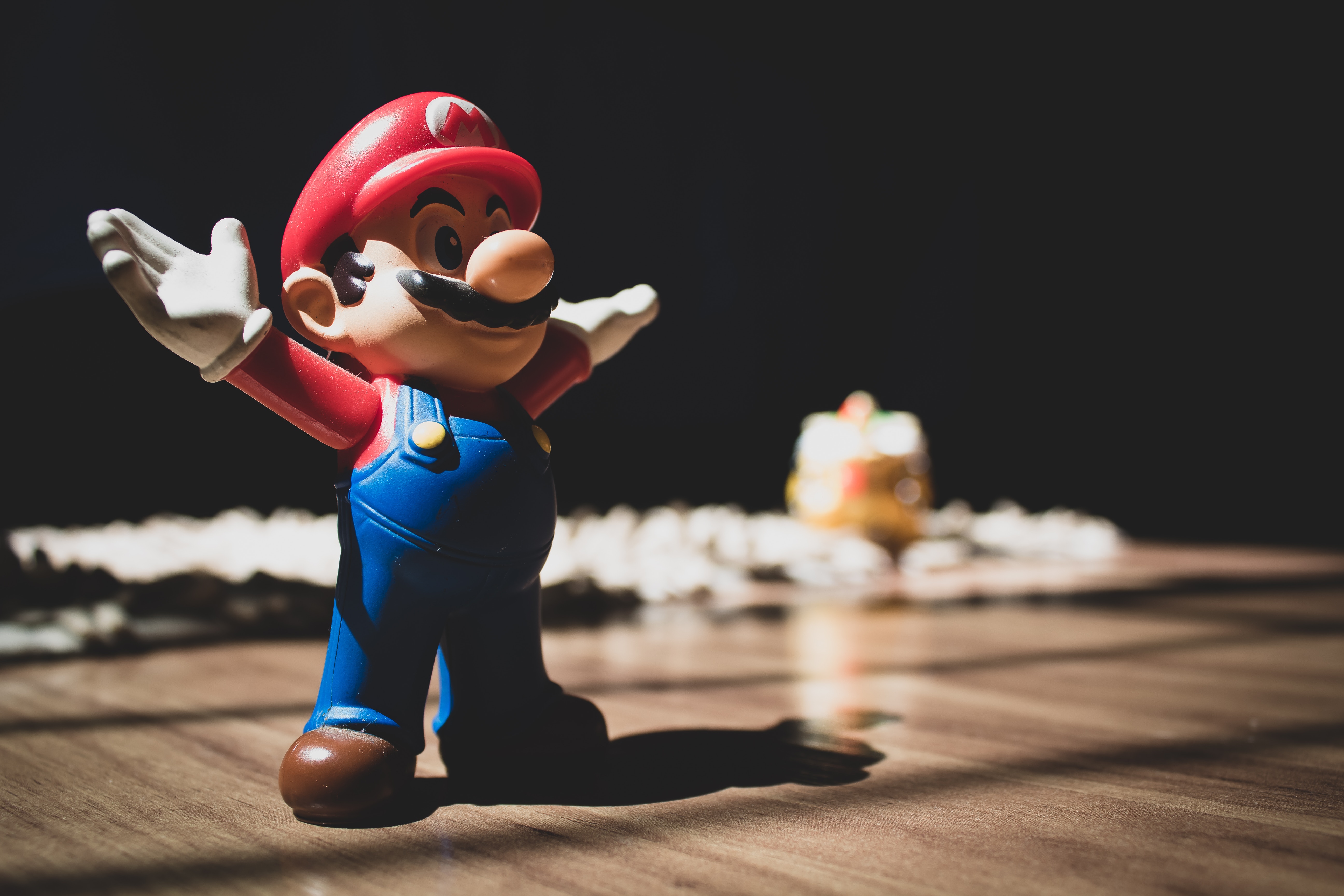
In a perfect world it seems like such a simple system, almost like a video game. Once I’ve mastered one skill set **boom** up I go to the next one, until eventually all of these skills I’ve accumulated are all linked together and I win the game. The difference between real world education and the make believe video game (other than when you hit a brick in real life it does not give you a coin in return, just a hurt hand) is that in education we have a time constraint. One year is all a student has to learn what they need to learn before they are pushed into that next level, whether they are ready or not. The risk that we are running is that students aren’t getting the necessary background knowledge they need to keep building their education. Unless someone else in their life is able to fill in that blank, they will struggle to learn new information ( Bransford, J. D., Cocking, R. R., & Brown, A. L. (2000). Chptr 1).
Growing up this was something I never really needed to concern myself with because my parents were going to make sure I had any additional support I may have missed in school . It was a privilege I had access to that a lot of people don’t, including the students I teach. I love my students with my whole heart and I have nothing but admiration for their families. They are doing everything they can to create a better life for their kids, but a lot didn’t have a formal education themselves. So what happens to the kids who fall through the cracks and keep getting passed on even though they haven’t mastered their necessary skill sets and don’t have an outside source to fill in that gap? We either need to either restructure the way in which we advance our students onto the next grade, other than just their birthday, or provide access to the necessary support systems to all students, not just the ones that can financially afford it (Berger, 2014. pg. 5). Recognizing that the inequity with our education system is the first step to rebuilding our education system where all students are able to thrive within school.
Citations:
Berger, W. (2014). A More Beautiful Question. Bloomsbury Publishing.
Bransford, J. D., Cocking, R. R., & Brown, A. L. (2000). How People Learn: Brain, Mind, Experience, and School. Expanded Edition. National Academies Press.
Image Citations:
“Close up photo of cow” Photo by Amanda Kerr on Unsplash
“Super Mario figurine on brown surface” Photo by Cláudio Luiz Castro on Unsplash

 More than Colored Pencils and Crayons