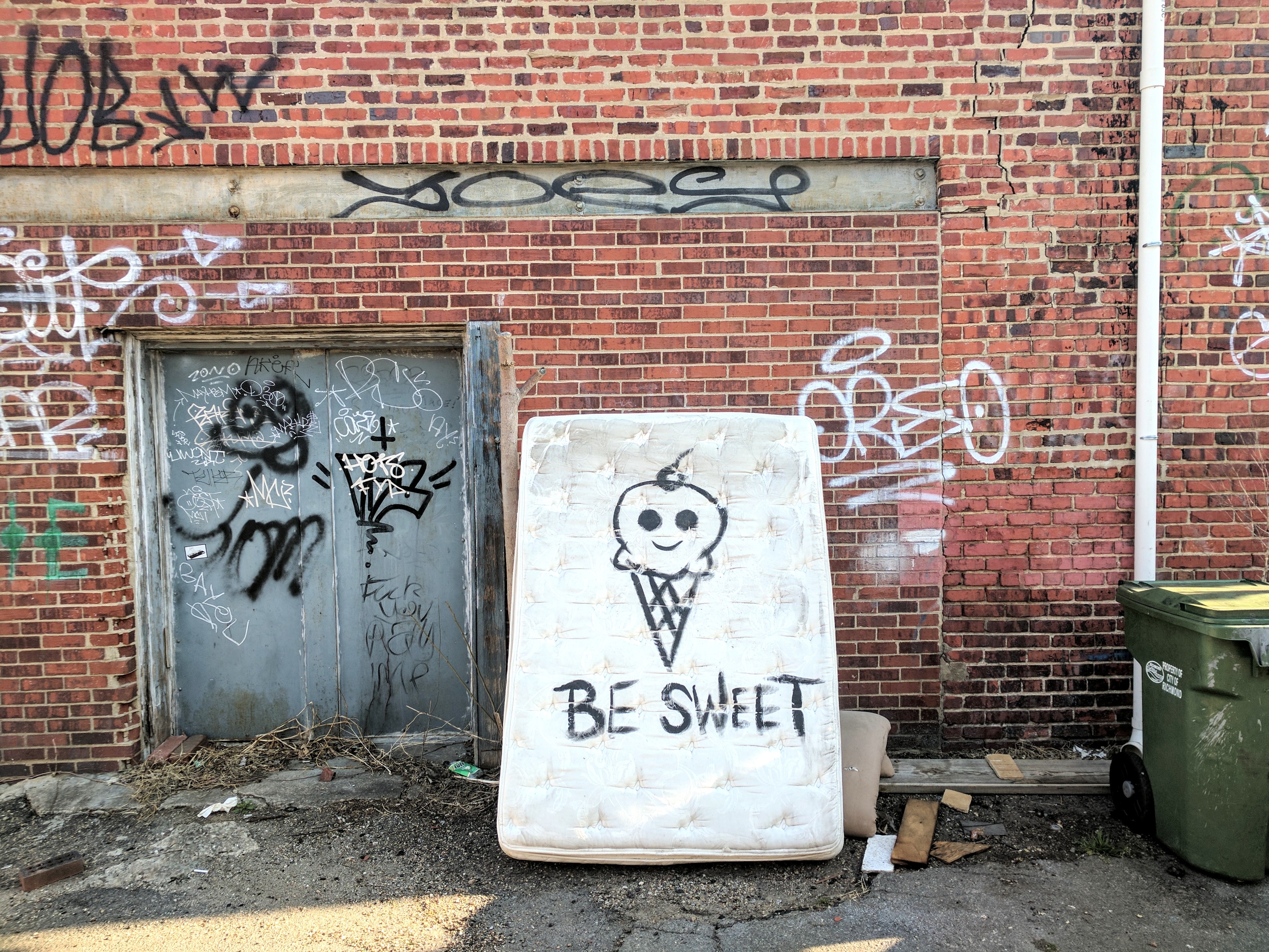
I’ve been told on more than one.. two.. twenty… occasions that my shower head is the only entity that appreciates my singing. But despite the several music critics that continue to appear in my life, music has always been a huge passion of mind. It doesn’t really matter whether it’s Shania Twain, Bruce Springsteen or Kid Cudi I love it all.
While I’m still pretty young, relatively speaking, whenever I make a music reference that is older than 3 years my kids never refrain from calling me ancient. So I feel like I owe it to the next generation to make sure that all musical talents are being introduced to them not just the latest hits, I would like to start doing music Fridays. The idea is it would only take about ten minutes where we would listen to a song, talk about what the song writer is trying to convey. Also looking at metaphors, similes and the rhythm within the songs. One of the songs I would like to introduce early in the year is “Where is the Love?” by the Black Eyed Peas. If you’ve never heard the song, stop reading and do so immediately. No? Alright fine, it basically points out that there are a lot of terrible things happening in the world and why aren’t ,we as a society, doing anything to help our communities and each other instead of just accepting these events. After listening to this song for the 182nd time the line that stuck out to me in particular today was;
“Wrong information always shown by the media,
Negative images is the main criteria
Infecting the young minds faster than bacteria
Kids wanna act like what they see in the cinemas”
Our students have easier access to information than ever before. The scary part is they aren’t always being taught to question or verify the information they’re reading ( Berger, 2014. pg. 25).

So in mind this idea raises two questions:
1) What, as educators, are we doing to make sure students are learning to question and research a subject they may be introduced to on social media before they accept it as true. For the most part children and adults tend to just accept what they are told if it’s just random information ( Berger, 2014. pg 27). The difference in today’s culture vs. culture in previous decades is that anyone could post anything online and others will just accept it as true. Especially when people read their news digitally people tend to read a headline and then form their own opinion. This is a dangerous because often time the headline can be misleading or the article is not giving the full story. (Weller, 2017). Teaching our students to continue the work of inquiry and questioning is essential in today’s world of technology.
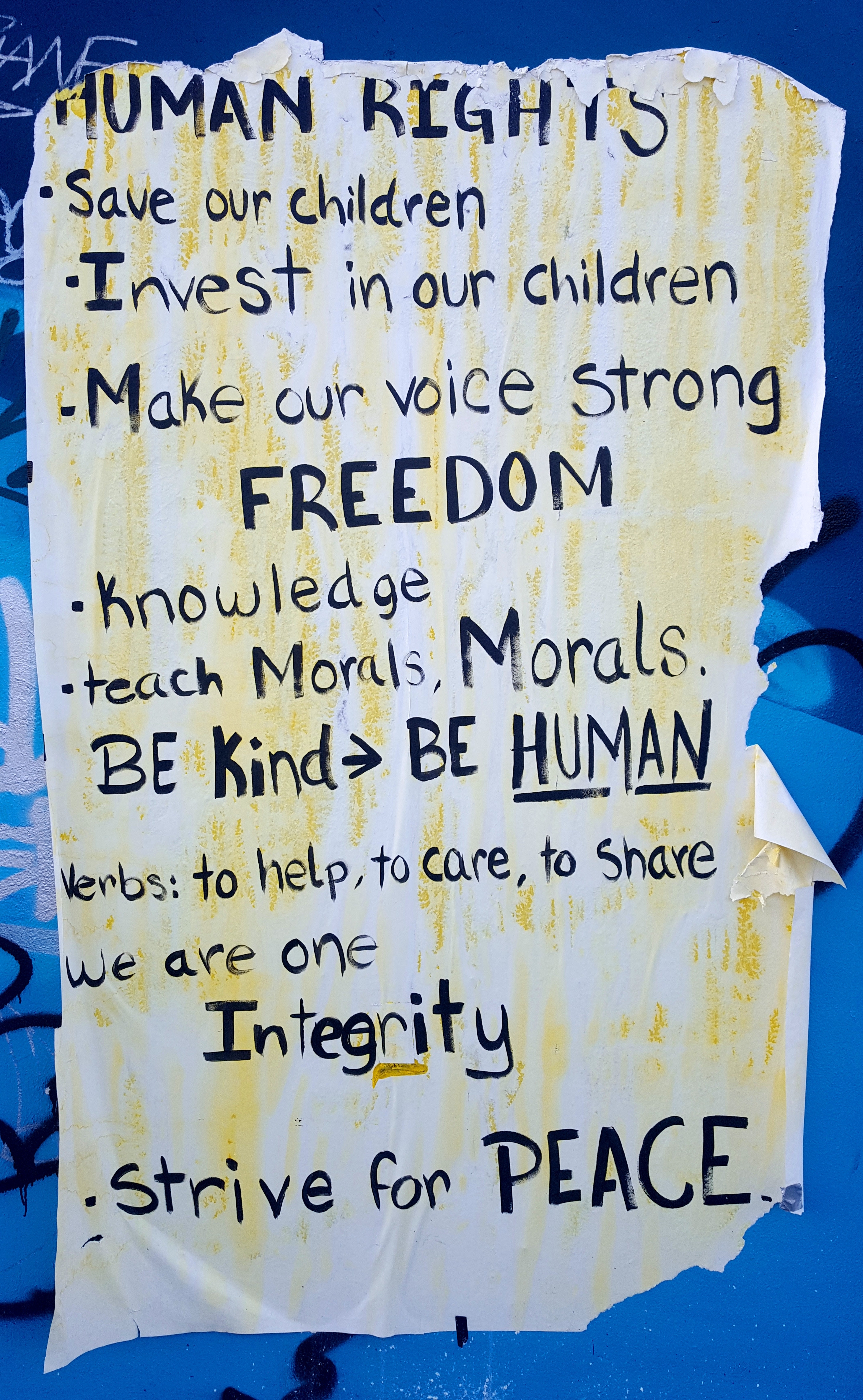
2) We are able to be connected around the world, how can we highlight positive important news in our world. Information that is still relevant, inspirational and makes people want to replicate the event/success in their own community. Often times I feel like people just want to argue through the safety of their computer screen that they forget their words still have an impact on others, whether it’s being said or typed. So if we feel the need to be vocal, let’s celebrate the positives as well as the negatives! Celebrate those people who everyday make others strive to be a better person. Our world is a wonderful place when we aren’t bogged down by its negativity.
Citations:
Berger, W. (2014). A More Beautiful Question. Bloomsbury Publishing.
Weller, J. T. (2017, November 13). “The Politics of Print & Why we Need it”. Retrieved June 27, 2019, from https://www.huffpost.com/entry/the-politics-of-print-why-we-need-it_b_5a0904fee4b0ee8ec36942eb
Image Citations:
“white and black Be sweet sprayed mattress” Photo by STEPHEN POORE on Unsplash
“White tablet with computer on top of newspaper” Photo by Matthew Guay on Unsplash
“human rights and freedom quote” Photo by George Pagan III on Unsplash

 More than Colored Pencils and Crayons